Why the First Cold Snap Changes Everything for Seniors Living Alone
Why the First Cold Snap Changes Everything for Seniors Living Alone
November 17, 2026
There's a moment every fall in the Lehigh Valley when you realize winter isn't far away.
Maybe it's the first morning you scrape frost from your windshield. The sudden chill that sends you searching for a heavier coat. Or the sight of bare trees along Cedar Crest Boulevard and the first dusting of snow on the Blue Mountain ridge.
For most of us, colder weather means turning up the thermostat, pulling out winter clothes, and preparing for the holidays.
But for an aging parent living alone, that first cold snap can signal something much more significant.
Suddenly, everyday tasks become more difficult. A quick trip to the mailbox feels risky. Grocery shopping requires more planning. Heating bills begin to climb. And the comfortable family home that has provided security for decades can become increasingly difficult to manage.
Winter doesn't necessarily create the challenges of aging alone. Sometimes, it simply makes those challenges impossible to ignore.
When the Family Home Becomes Harder to Maintain
For many older adults, their home represents independence.
It's where they raised their children, celebrated holidays, planted gardens, and built a lifetime of memories.
But Pennsylvania winters have a way of revealing just how much work maintaining a home requires.
Gutters need cleaning. Outdoor faucets must be winterized. Drafty windows need attention. Furnaces require servicing. Leaves pile up, and before long, sidewalks and driveways need shoveling.
Tasks that once took an hour may now require an entire afternoon—or may no longer be physically possible.
Dad might insist he can still shovel the driveway, even though his balance isn't what it used to be.
Mom may avoid mentioning that the furnace has been making strange noises because she doesn't want to worry anyone.
For adult children, these are important warning signs.
The question isn't simply whether Mom or Dad can still live at home.
It's whether maintaining that home is beginning to take more energy than they have available.
The Hidden Burden of Heating Costs
Anyone who has lived through a Lehigh Valley winter understands how quickly heating expenses can rise.
For seniors living on fixed incomes, the cost of heating a large, older home can create real financial pressure.
Some older adults respond by lowering the thermostat, closing off rooms, or using space heaters to reduce expenses.
Unfortunately, these decisions can introduce additional concerns.
Older adults may be more vulnerable to cold temperatures, particularly when they have certain medical conditions or take medications that affect their ability to regulate body temperature.
Portable space heaters can also present fire hazards when used improperly.
If you're concerned about an aging parent, pay attention to the temperature inside their home during winter visits.
Is the house unusually cold?
Are they wearing several layers indoors?
Have they stopped using certain rooms because they're difficult to heat?
Sometimes, a conversation about the heating bill reveals a much larger concern about finances, home maintenance, and independence.
One Icy Sidewalk Can Change Everything
Winter falls are a serious concern for older adults.
In communities throughout Allentown, Bethlehem, Emmaus, and the surrounding Lehigh Valley, freezing rain, sleet, snow, and overnight refreezing can turn an ordinary walkway into a dangerous obstacle.
A short walk to retrieve the newspaper or bring in the mail can become hazardous.
Even seniors who are relatively mobile may struggle with uneven pavement, icy steps, or snow-covered driveways.
And a fall doesn't have to result in a broken bone to change someone's life.
The fear of falling again can cause an older adult to become less active, avoid going outside, or stop participating in activities they once enjoyed.
Over time, reduced activity can contribute to declining strength, balance, and confidence.
Adult children should consider whether their parent's home has adequate railings, outdoor lighting, reliable snow removal, and safe access to essential areas.
Just as importantly, ask whether Mom or Dad feels comfortable leaving the house when winter weather arrives.
Their answer may tell you more than you expect.
When Winter Shrinks Their World
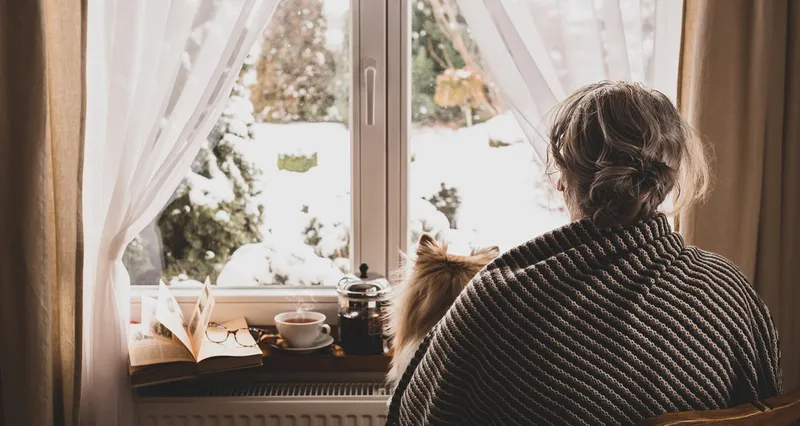
Perhaps one of the most overlooked challenges of aging at home is the isolation that can develop during colder months.
During spring and summer, Mom might enjoy sitting on the porch, tending flowers, chatting with neighbors, or taking short walks.
But when November arrives and daylight hours grow shorter, those opportunities may disappear.
A senior who no longer drives after dark might stop attending evening church activities or social gatherings.
Someone worried about icy roads may cancel appointments or decline invitations.
A parent who already struggles with mobility may spend several days without leaving the house.
What begins as a temporary adjustment to winter weather can gradually become a pattern of isolation.
And loneliness isn't always obvious.
Mom may tell you she's perfectly content watching television.
Dad may insist he doesn't need company.
But consider asking a different question:
"When was the last time you spent an afternoon with someone other than me?"
The answer may reveal how much their world has changed.
Nutrition and Everyday Routines Can Suffer
Winter can also make ordinary errands more challenging.
For someone who no longer drives confidently, a trip to the grocery store may depend on the weather or someone else's availability.
Fresh produce and balanced meals may be replaced by whatever happens to be in the pantry.
A parent might skip meals rather than prepare food for one person.
Others may struggle to carry groceries into the house or stand long enough to cook.
During winter visits, take a few minutes to look beyond whether the refrigerator contains food.
Is Mom eating regular meals?
Are there fresh ingredients available?
Has she lost interest in cooking?
Are expired foods accumulating?
These seemingly small changes may indicate that independent living has become more difficult than your parent is willing to admit.
Preparing Before the First Snowfall
The best time to address winter concerns is before a major storm arrives.
Families can take several practical steps to help aging parents remain safer and more comfortable:
- Arrange reliable snow and ice removal before winter begins.
- Schedule furnace maintenance and check smoke and carbon monoxide detectors.
- Review heating costs and explore available assistance programs if needed.
- Make sure walkways, entrances, and stairways have adequate lighting and handrails.
- Stock essential groceries, medications, and emergency supplies.
- Establish a regular check-in schedule with family members or trusted neighbors.
- Arrange transportation for medical appointments and social activities.
- Discuss an emergency plan in case of a power outage or severe winter storm.
These preparations can reduce risk and provide reassurance.
But they also create an opportunity for a larger conversation.
Is the home still meeting your parent's needs?
Or has maintaining independence become increasingly dependent on everyone else managing the responsibilities around them?
Independence Should Mean More Than Staying Home
For many families, the decision to consider senior living begins with a crisis.
A fall on an icy driveway.
A furnace failure during freezing temperatures.
A hospitalization after days of illness or poor nutrition.
But families don't have to wait for an emergency to explore alternatives.
Sometimes, the most meaningful form of independence is having the freedom to enjoy life without worrying about snow removal, home repairs, preparing every meal, or navigating dangerous winter conditions.
A supportive senior living community can offer opportunities for companionship, activities, assistance with daily needs, and a comfortable environment where residents can focus on living rather than maintaining a house.
That doesn't mean giving up independence.
For some older adults, it can mean rediscovering it.
A Season for Honest Conversations
As colder weather settles over the Lehigh Valley, take time to look at your aging parent's daily life through a different lens.
Don't simply ask whether the house is ready for winter.
Ask whether Mom or Dad is ready for another winter managing the house.
Consider their safety, mobility, nutrition, social connections, and emotional well-being.
Most importantly, listen to their concerns and involve them in decisions about the future.
At Heather Glen Senior Living in Allentown, we understand how deeply older adults value their homes and independence. We also recognize that the changing seasons can bring new challenges for seniors and their families. If you're beginning to wonder whether living alone is still the best option for someone you love, we invite you to visit Heather Glen, ask questions, and learn more about our personal care and memory care community. There's no obligation to make a decision—just an opportunity to explore what a safer, more connected, and less stressful next chapter might look like.
Because growing older shouldn't mean spending every winter simply trying to get through it. It should mean continuing to enjoy life, whatever the season.